
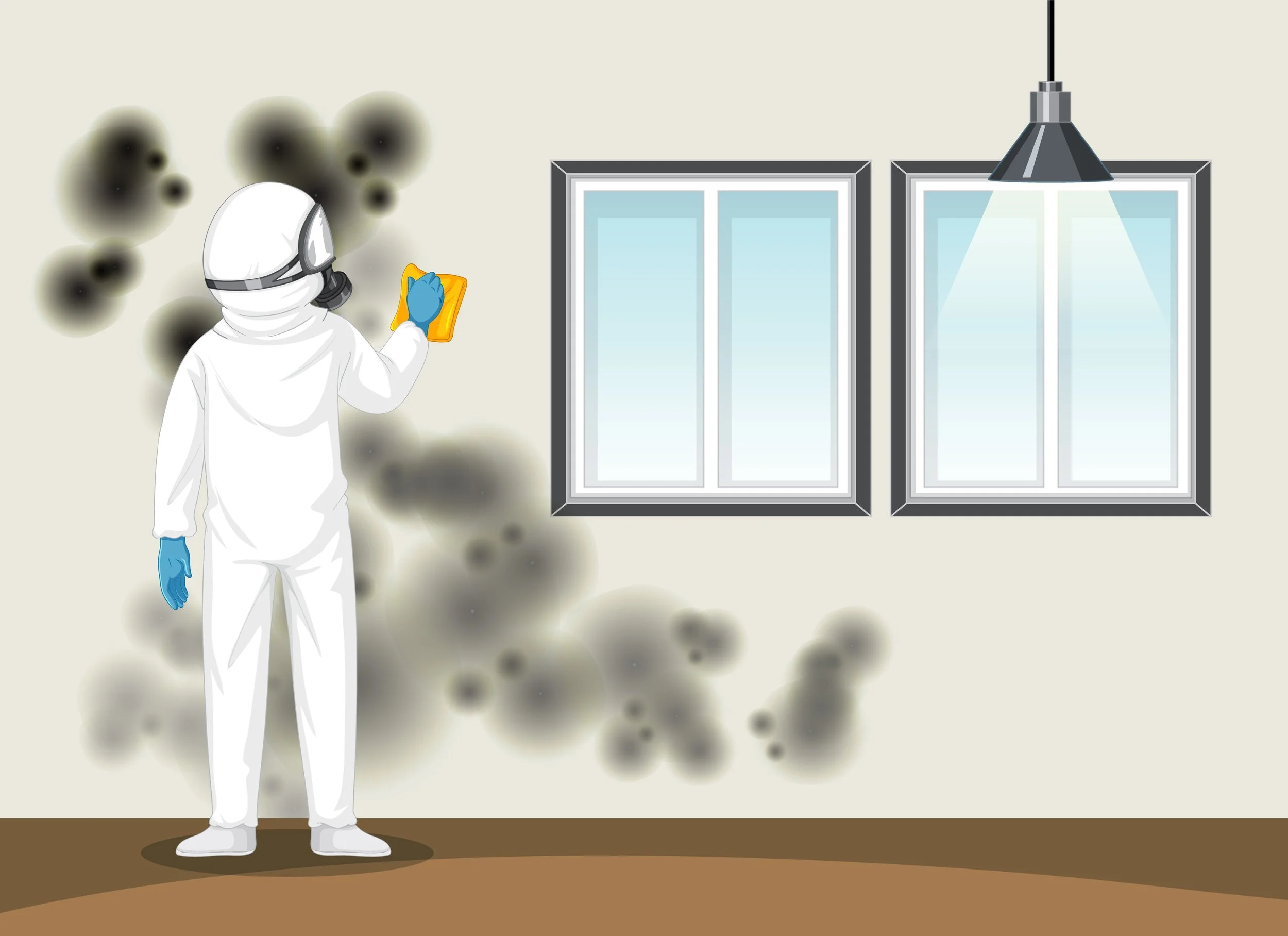
Finding a mysterious dark patch on your wall or a white powdery residue in your basement can trigger instant panic. Your mind immediately jumps to expensive remediation bills and health hazards.
However, not every dark spot or discoloration in your home is harmful mold. Often, what looks like a scary mold outbreak is simply dirt, mildew, mineral buildup, or household grime.
In this guide, we break down what mold actually is, what it isn't, and the key visual and sensory clues to help you identify what’s growing in your home.
1. What Is Mold? (The True Suspect)
Mold is a type of fungus that thrives in warm, damp, and humid environments. Unlike plants, mold doesn't need sunlight to grow—it feeds on organic material like wood, drywall, carpet, and paper.
Key Characteristics of Real Mold:
Texture: Fuzzy, velvety, slimy, or raised and patchy.
Color: Can range widely—black, dark green, brown, white, yellow, or even bright orange.
Pattern: Grows in irregular, spreading clusters that expand over time as moisture persists.
Smell: Has a distinct musty, damp, earthy odor (like wet socks or a stagnant forest floor).
Location: Commonly found in areas with past or present moisture issues—behind drywall, under sinks, on window sills, or around bath sealant.
Important Note: Color alone does not tell you if mold is toxic. While "black mold" (Stachybotrys chartarum) gets the most media attention, any mold growth in a home should be addressed by fixing the underlying moisture source.
2. What ISN'T Mold? Common Mold Impostors
Before you rush to buy expensive testing kits, check if your mystery spot matches one of these common lookalikes:
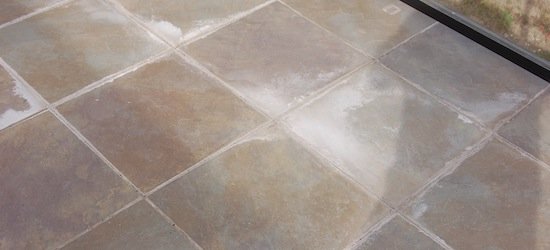
A. Efflorescence (Salt Buildup)
What it looks like: A white, powdery, or crystalline film on concrete, brick, or basement masonry walls.
How to tell it apart: Efflorescence is actually mineral salt left behind as water evaporates through porous concrete. It is completely harmless.
Quick Test: Put a small amount in water. If it dissolves, it’s efflorescence. Real white mold will not dissolve in water.
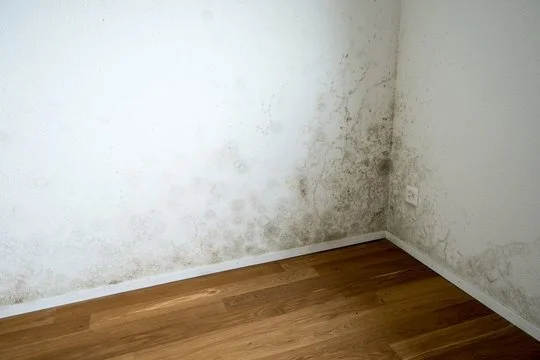
B. Mildew
What it looks like: A flat, powdery white, grey, or yellowish film on surface areas like shower curtains, plant leaves, or leather.
How to tell it apart: Mildew grows strictly on the surface and stays flat—it doesn't burrow into wood or drywall like mold. It’s easy to wipe away with standard household cleaner.
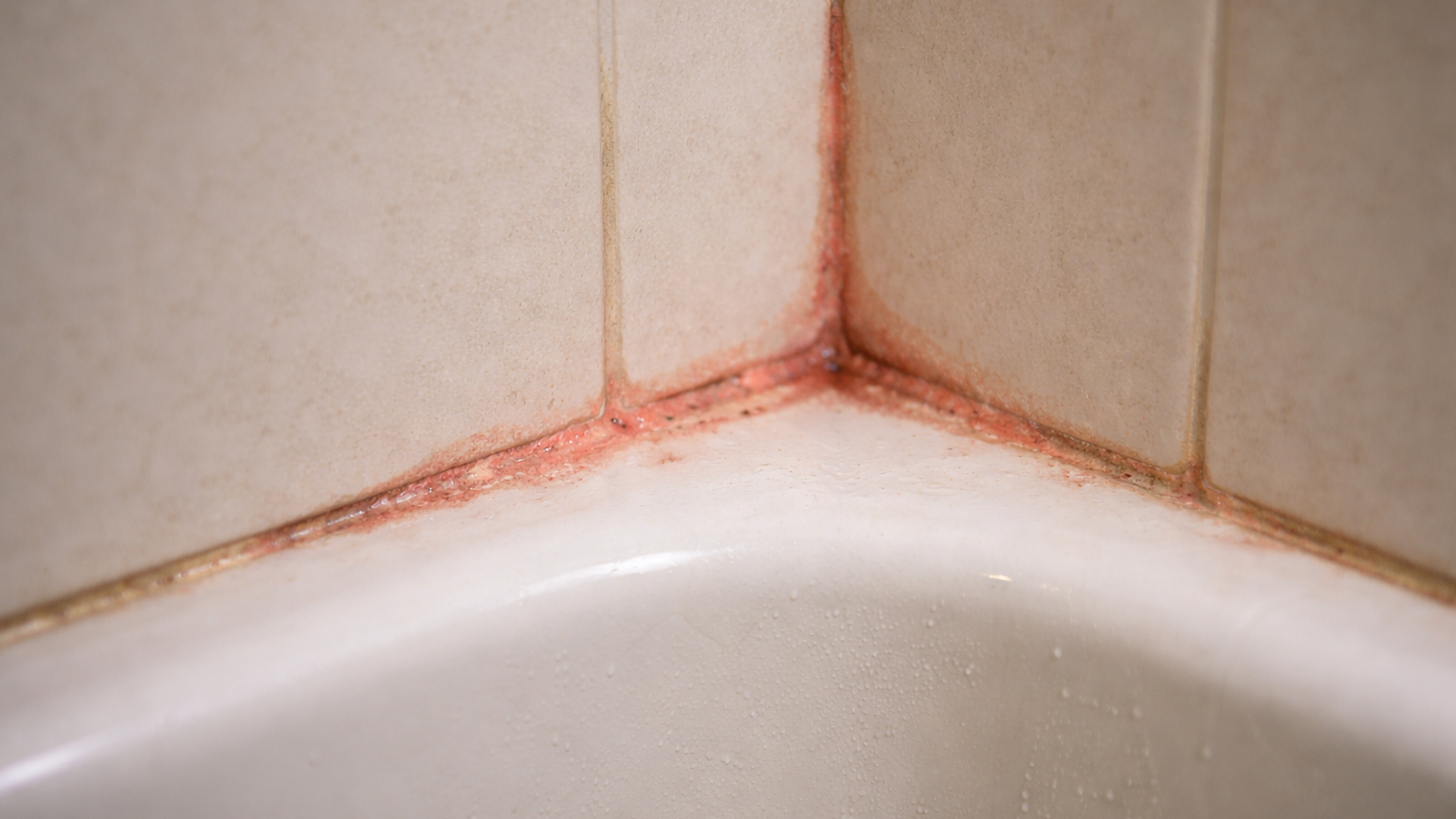
C. Pink Bacteria (Serratia marcescens)
What it looks like: Pink, orange, or reddish slime along tile grout, bath sealants, and toilet bowls.
How to tell it apart: This isn't a fungus at all, but airborne bacteria that feed on soap scum and fat deposits in damp environments. While unsightly, it wipes away easily with a bleach solution.
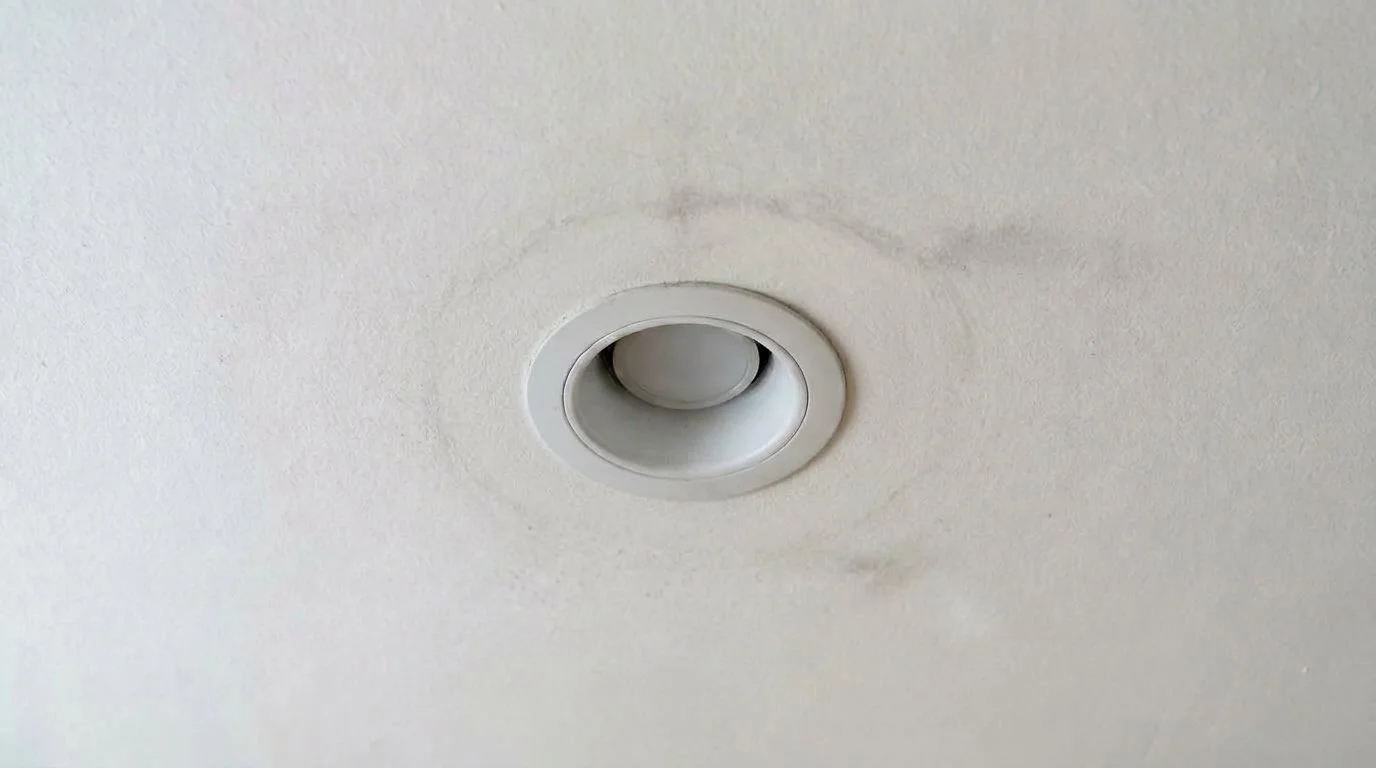
D. Soot, Dust & Ghosting
What it looks like: Dark streaks along drywall, ceiling joists, or around baseboards.
How to tell it apart: Known as "ghosting," this happens when static electricity or draft patterns cause household soot, dust, or pet dander to cling to cold spots on walls. It feels dry and dry-wipes off effortlessly.
3. What to Look For: Hidden Clues You Have a Mold Problem
Even if you can't visually confirm mold, your home often leaves subtle clues:
Unexplained Health Symptoms: Persistent coughing, sneezing, or eye irritation that improves whenever you leave the house for a day or two.
Bubbling or Peeling Paint/Wallpaper: Indicates moisture trapped behind the drywall—prime real estate for hidden mold growth.
Warped Baseboards or Soft Drywall: Signals long-term water exposure.
A Persistent Musty Smell: If a room smells damp even when clean and dry, mold may be growing behind walls, inside HVAC ducts, or under carpeting.
4. What NOT to Do When You Suspect Household Mold
Discovering a suspicious dark patch or a damp, musty odor in your home can be alarming. Your immediate instinct might be to grab a bucket of bleach, a scrub brush, or a can of paint to handle it yourself.
However, improper mold cleanup often does far more harm than good. Household mold isn't just surface dirt—it's an organic growth that roots deeply into building materials. Mishandling it can spread microscopic spores throughout your home, degrade your indoor air quality, and mask underlying structural water damage.
If you suspect mold in your property, avoid these seven critical mistakes—and learn why calling a certified remediation professional is the safest path forward.
DON'T Try to Bleach Mold Away
The Mistake: Spraying standard chlorine bleach on porous materials like drywall, framing timber, carpet, or grout.
Why It Backfires: Bleach is composed mostly of water. When applied to porous surfaces, the chlorine remains on top while the water component penetrates deep into the material. This actually feeds the hidden mold roots (hyphae), causing the growth to return even stronger days later.
Why Professionals Do It Better: Certified technicians use EPA-registered, antimicrobial fungicides and specialized equipment designed to neutralize roots deep inside porous structures without adding damaging moisture.
DON'T Dry-Scrub, Scrape, or Agitate Suspected Mold
The Mistake: Scraping dry mold patches off walls, ceilings, or floor joists with a brush or scraper.
Why It Backfires: Agitating dry mold launches millions of microscopic spores and allergen fragments into the air. Driven by normal home air currents, these airborne spores settle into carpets, furniture, and HVAC ducts, spreading contamination to previously untouched rooms.
Why Professionals Do It Better: Remediation crews establish strict negative air pressure containment areas using heavy-duty plastic sheeting and commercial HEPA air scrubbers. This prevents spores from escaping into the rest of your home while work is underway.
DON'T Paint, Caulk, or Seal Over Mold
The Mistake: Slapping a coat of primer, paint, or bathroom caulk over moldy spots to cover them up visually.
Why It Backfires: Paint and sealant do not kill active mold. The fungus will continue to eat away at the underlying drywall or wood, eventually causing the paint to bubble, peel, and flake off—leaving you with worse damage and a higher repair bill down the road.
Why Professionals Do It Better: Remediation experts ensure all mold growth is physically removed, the structural materials are properly dried to industry standards, and the root cause is resolved before applying specialized mold-inhibiting coatings.
DON'T Ignore the Underlying Water Source
The Mistake: Wiping away surface discoloration without identifying and fixing the moisture problem behind it.
Why It Backfires: Mold cannot survive without moisture. Whether it's a slow plumbing leak behind a wall, high ambient humidity, or a roof drip, mold will return within 24 to 48 hours if the water source remains active.
Why Professionals Do It Better: Remediation specialists use advanced diagnostic tools—such as infrared thermal imaging cameras and moisture meters—to track hidden leaks behind walls and floors without destroying your property.
DON'T Use Household Fans to "Dry Out" Moldy Areas
The Mistake: Pointing standard box fans or house fans at wet, moldy building materials.
Why It Backfires: High-velocity household airflow acts as a distribution system for mold spores, blowing microscopic contaminants straight into your living space and HVAC vents.
Why Professionals Do It Better: Professionals deploy commercial-grade dehumidifiers and low-velocity, controlled drying equipment combined with sealed HEPA filtration to extract moisture from the structure safely without cross-contaminating your air.
DON'T Vacuum Mold with a Standard Vacuum Cleaner
The Mistake: Using your residential vacuum to clean up mold dust or fallen debris.
Why It Backfires: Standard household vacuum filters are not fine enough to catch microscopic mold spores. The vacuum's exhaust motor will spew concentrated clouds of spores directly into the room's air.
Why Professionals Do It Better: Remediation teams rely exclusively on sealed, commercial HEPA vacuums capable of trapping particles down to 0.3 microns with 99.97% efficiency.
What Should You Do Next?
If you've confirmed that the spot is just mineral buildup, dirt, or surface mildew, a thorough clean with standard household cleaners and better ventilation will solve the problem.
While wiping down a tiny bit of surface mildew on non-porous tile can sometimes be handled locally, you should always contact a professional remediation firm if:
The affected area is larger than 10 square feet (roughly a 3x3 foot patch).
The mold is located inside your HVAC system, ductwork, or crawl space.
The contamination was caused by sewage, contaminated floodwaters, or hidden long-term leaks.
Anyone in your home experiences unexplained allergy or respiratory symptoms when indoors.
Don't take risks with improper DIY cleanup. Call Damex today for a comprehensive moisture inspection and tailored remediation plan to restore your home to a safe, healthy condition.